

Turnkey interior projects are designed to make the complete design and execution process easier for the client. Instead of coordinating with separate designers, contractors, suppliers and site teams, the client works with one responsible team from planning to final handover.
At Trance Interiors, turnkey execution is not only about completing interior work. It is about creating a space that is practical, well-planned, visually balanced and easy to use. AI and smart technology are now helping interior teams make this process more organised, transparent and efficient.
These tools support better planning, clearer design presentations, structured material management and improved site tracking. They do not replace interior designers or project managers. Instead, they help experienced professionals make faster, smarter and more practical decisions.
AI does not replace interior designers or project managers. It supports them with faster analysis, clearer visualisation and better-informed project decisions.
How AI Is Supporting Turnkey Interior Projects
A turnkey interior project connects design, budgeting, procurement, technical coordination, site execution and final handover. AI and digital tools improve this process by helping the team review more information before decisions are finalised and site work begins.
Better Space Planning
Good interiors begin with a practical layout. AI-assisted planning tools help designers study room dimensions, furniture placement, storage requirements, lighting positions and movement space before the design is finalised. This makes it easier to compare layout options and select one that works well in daily use.
Clear Interior Visualisation
Many clients find it difficult to understand the final result through drawings and material samples alone. AI-assisted visualisation and 3D views help clients review furniture placement, wall finishes, flooring, lighting, ceiling design and colour combinations before site execution begins.
Smart Technology from the Planning Stage
Smart lighting, automated curtains, climate control, security systems and access control should be coordinated from the beginning of the project. Early planning allows electrical points, wiring, sensors and control panels to be placed correctly without disturbing the final interior finish.
Improved Budget and Material Planning
Digital estimation and material-planning tools help calculate quantities more accurately for flooring, wall finishes, lighting, furniture panels, hardware and other project items. Better quantity planning supports organised procurement, reduces guesswork and helps control avoidable wastage.
Faster and More Organised Execution
Turnkey projects involve civil work, electrical work, plumbing, ceiling work, carpentry, painting and final finishing. Digital project-management tools help teams prepare schedules, assign responsibilities, track progress and understand how a delay in one activity may affect the next stage.
Fewer Errors and Less Rework
Digital coordination tools help identify clashes before work starts. A light point can be checked against the ceiling layout, furniture can be reviewed against sockets and plumbing routes can be coordinated with the final layout. This reduces site mistakes, repeated work and unnecessary delays.
Better Client Communication
Instead of relying only on verbal updates, teams can share visuals, progress reports, material approvals, timelines and site photographs in a structured format. This gives clients better visibility and helps them make decisions at the right stage of the project.
Technology-based estimates and design suggestions should always be checked by experienced professionals because actual site measurements, construction conditions, material sizes and installation methods can affect the final requirement.
Smart Technology Should Begin with Interior Planning
Smart features are most effective when they are planned with the interior rather than added after completion. Early coordination helps the team place wiring, electrical points, sensors, equipment and control panels without compromising furniture, ceilings or wall finishes.
Depending on the type of home, office, healthcare or commercial space, the smart-technology scope may include:
- Smart lighting and scene-based controls
- Automated curtains and blinds
- Climate and temperature control
- Security cameras and alarm systems
- Digital access control and smart locks
- Occupancy, motion and daylight sensors
- Centralised control panels and mobile applications
- Energy monitoring and power-management systems
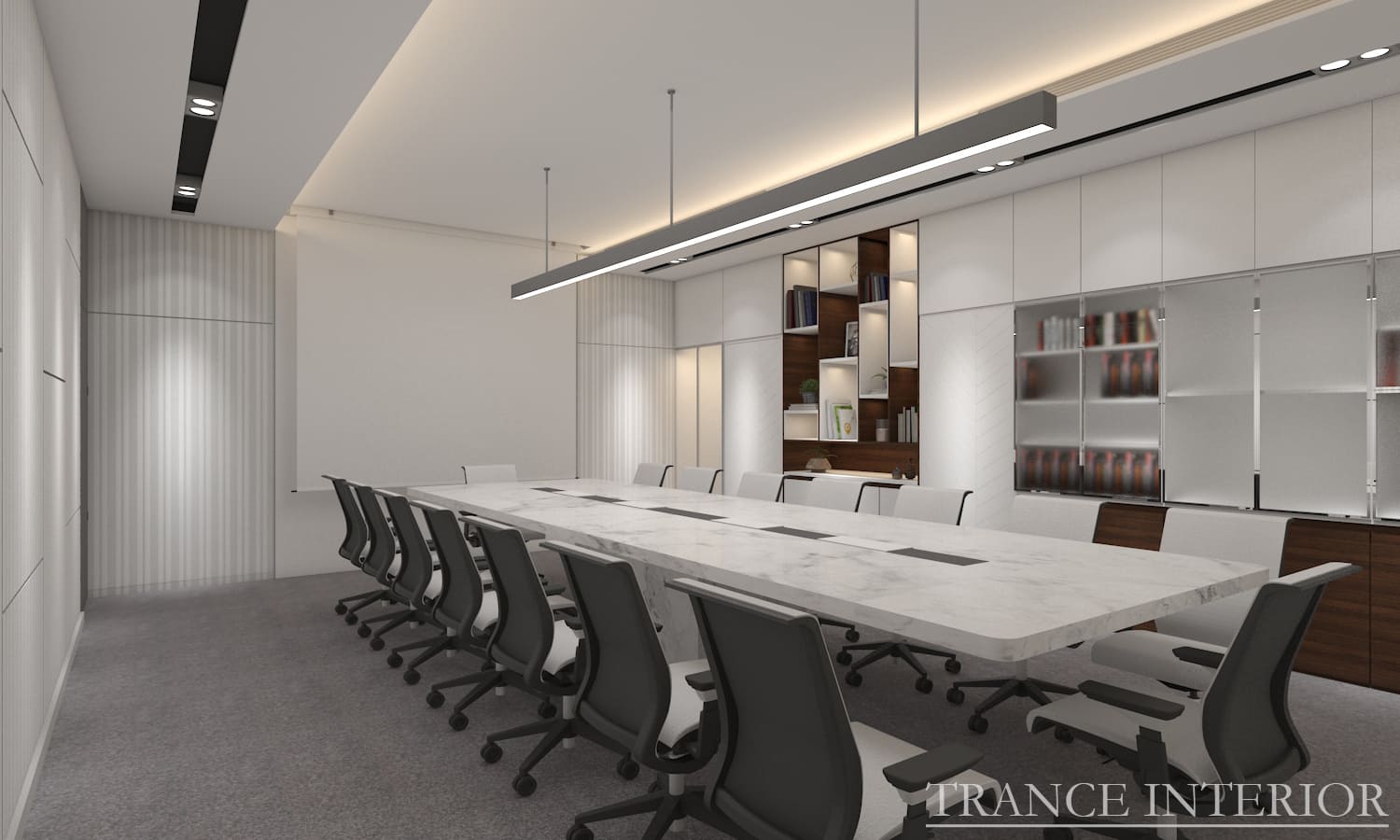
Clearer Layouts Before Site Work Begins
AI-assisted planning and digital visualisation allow the team to review layouts, furniture, finishes, lighting and movement before execution. This improves design clarity and helps clients approve decisions with greater confidence.
Better Coordination Across Every Project Stage
Digital schedules, material approvals and progress records help designers, vendors, supervisors and project managers stay aligned throughout procurement, installation, finishing and final handover.

What Clients Gain from AI-Assisted Turnkey Execution
The biggest advantage for clients is greater clarity. They can understand the design before execution, review materials at the correct stage and receive organised updates while the project is in progress.
More Confident Design Approvals
Clients can review the proposed space before execution, which makes approvals clearer and reduces uncertainty about the final appearance.
Better Coordination Between Teams
Designers, engineers, vendors, supervisors and project managers can work from coordinated information instead of separate instructions.
Improved Procurement Decisions
Approved designs and calculated quantities help the team plan material orders according to actual project requirements.
Clearer Progress Tracking
Structured schedules, site updates and approval records make it easier to understand what is completed, pending or delayed.
Human Expertise Still Matters
Even with AI and smart technology, human expertise remains essential. Designers understand the client’s taste, lifestyle, brand, comfort needs and practical priorities. Project managers understand site conditions, workmanship, vendor coordination, timelines and quality control.
Technology can process information and support decisions, but it cannot independently judge every real-world site condition. Final decisions should therefore be reviewed and approved by experienced professionals.
- Confirm site measurements before finalising layouts or quantities.
- Review AI-generated options according to actual usage and client priorities.
- Verify material calculations against site conditions and installation methods.
- Coordinate smart systems with electrical, ceiling, furniture and HVAC drawings.
- Keep design, material and scope approvals documented before procurement.
- Use experienced site supervision for workmanship and quality control.
AI and Smart Technology at Trance Interiors
At Trance Interiors, technology is used as a support system for practical design and professional turnkey execution. The focus remains on understanding the client’s needs, planning the space properly, coordinating materials and services, supervising execution and delivering a finished space that is functional and visually balanced.
For projects in Mumbai and other locations, early planning is especially useful where space, services, timelines and site access require careful coordination. Digital tools help the team organise these details while experienced professionals remain responsible for design quality and execution decisions.
Conclusion
AI and smart technology are changing turnkey interior projects by improving space planning, design visualisation, budgeting, material coordination, site monitoring and client communication. These tools make it easier to study options, coordinate activities and keep the project journey more transparent. For clients, the main benefit is clarity and convenience. They can see the proposed design before execution, understand project decisions more easily and receive organised updates while the work is underway. With Trance Interiors, the focus remains on combining smart planning, practical design and professional turnkey execution to create spaces that are functional, well-coordinated and ready for the future.